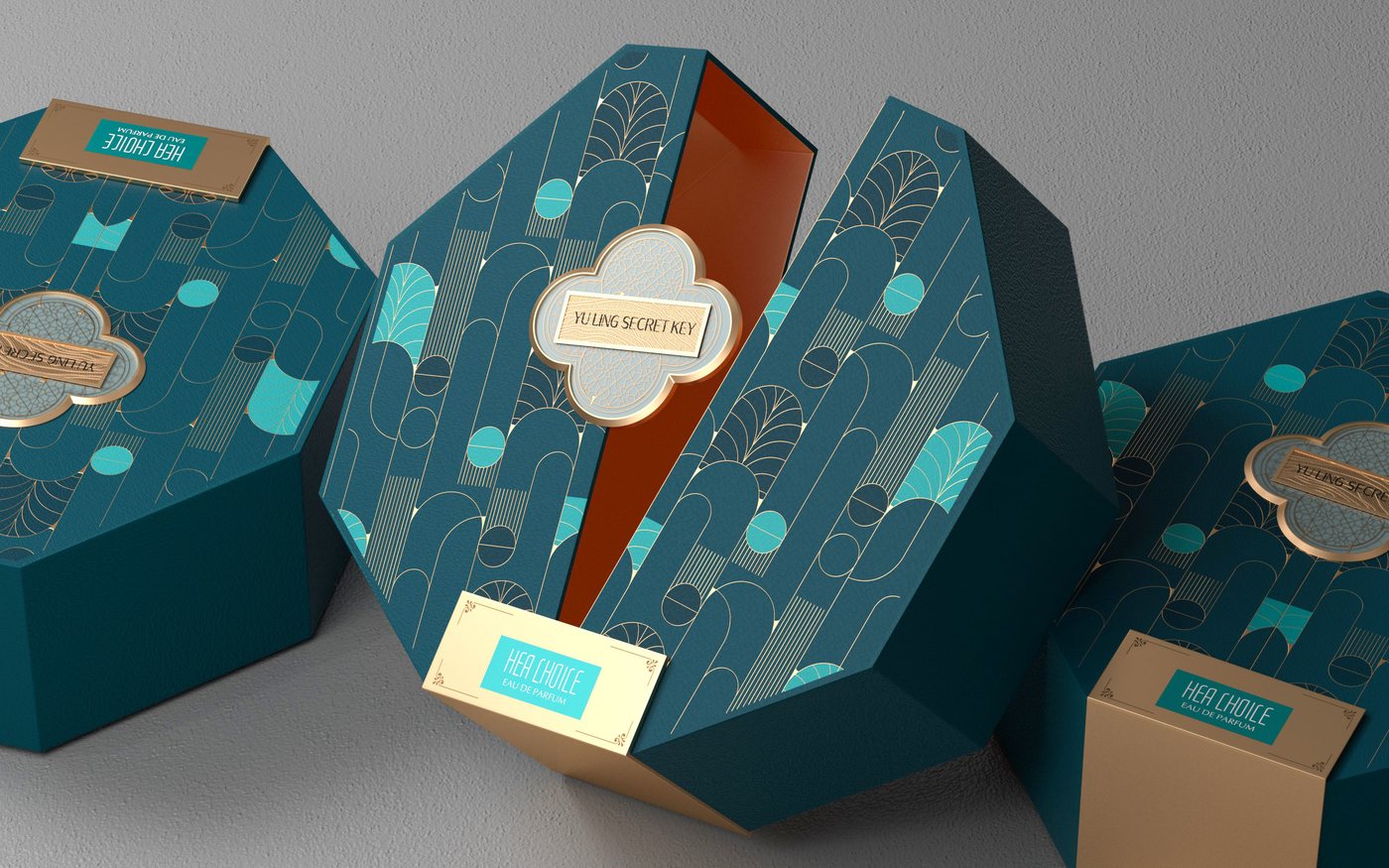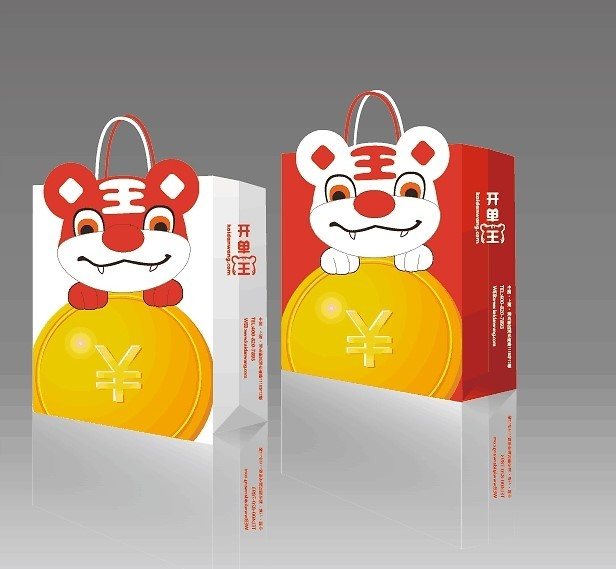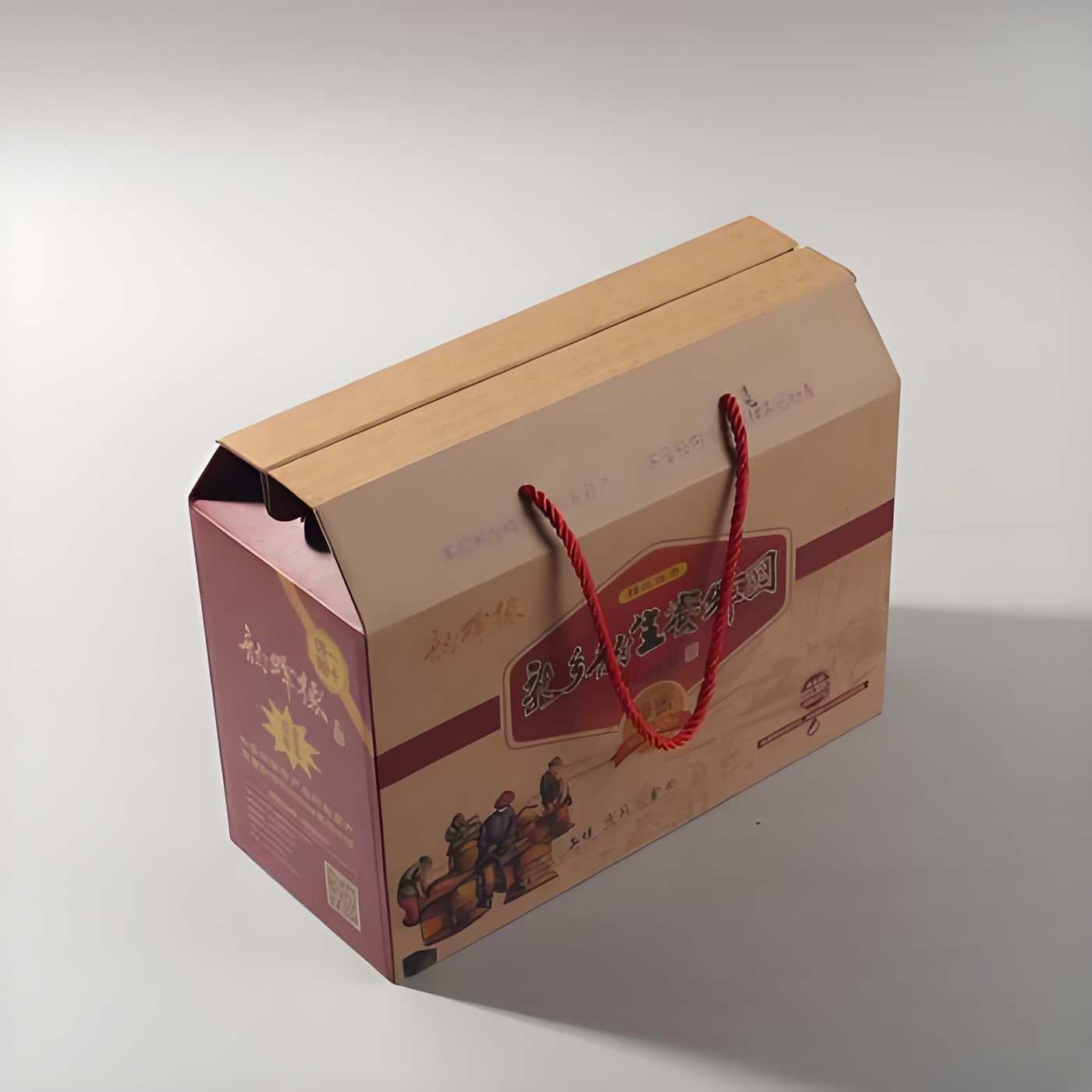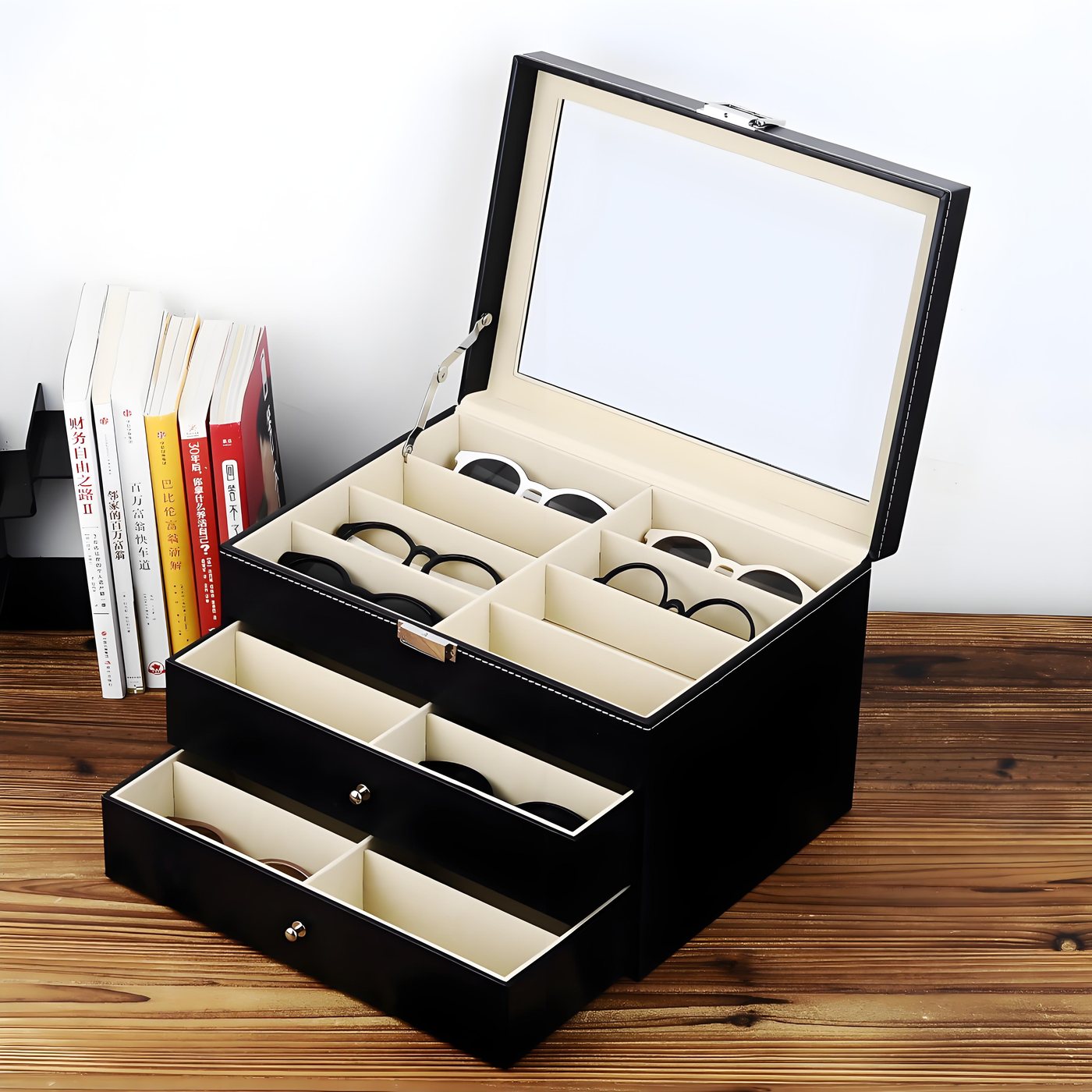

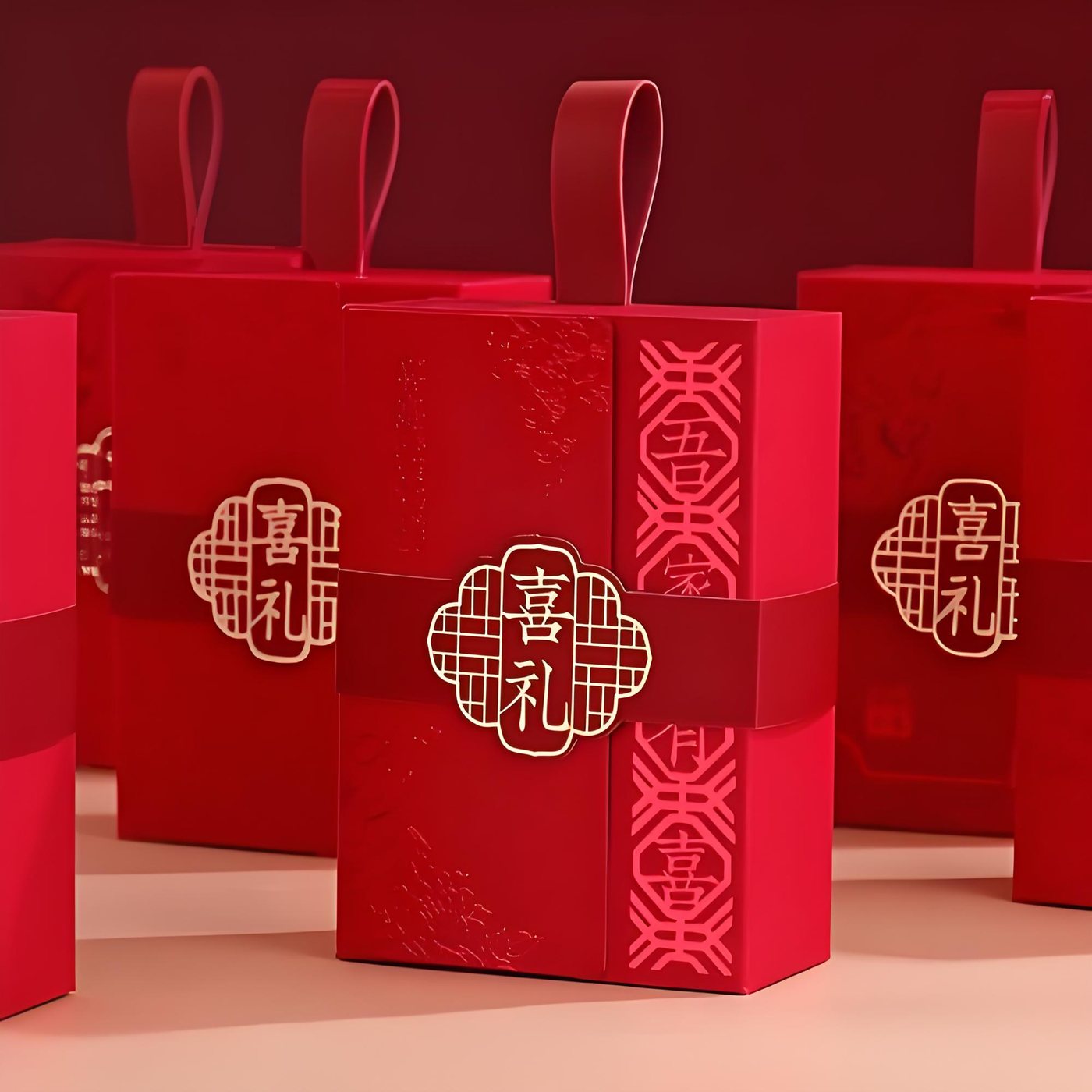
In today's rapidly evolving food industry, the importance of effective food packaging solutions cannot be overstated. Manufacturers specializing in food packaging solutions play a crucial role in ensuring that products are not only visually appealing but also safe, functional, and sustainable. As professionals in design services, particularly in packaging design, it's essential to understand the key aspects that drive innovation and efficiency in this sector.
Firstly, food packaging serves multiple purposes: it protects the product, extends shelf life, ensures safety during transportation, and communicates brand identity. A well-designed package can influence consumer choices, making packaging design an integral part of marketing strategy. Manufacturers focus on materials that are not only durable but also environmentally friendly, aligning with the increasing consumer preference for sustainable options.
One of the latest trends in food packaging solutions is the rise of smart packaging. This technology includes features such as sensors that monitor freshness and indicators that change color when food is no longer safe to consume. Such innovations are invaluable for both consumers and manufacturers, as they enhance the overall safety and quality of food products. For professionals in the field, staying abreast of these trends can aid in developing cutting-edge packaging designs that meet the evolving demands of the market.
Another critical consideration for food packaging solutions manufacturers is compliance with regulatory standards. Packaging must adhere to various safety regulations to ensure that materials do not leach harmful substances into food. Understanding the regulations governing food packaging can provide a competitive edge in the design process, ensuring that products are not only attractive but also compliant.
Furthermore, customization is becoming increasingly important in food packaging design. As consumers seek unique and personalized experiences, manufacturers are innovating to offer customizable packaging solutions. This flexibility allows brands to differentiate themselves in a crowded marketplace, providing endless opportunities for creativity in design.
Moreover, the role of technology in packaging cannot be overlooked. Automation and digital printing have revolutionized how packaging is created, allowing for shorter production runs and quicker turnaround times. As a professional in packaging design, leveraging these technologies can enhance productivity and foster innovation in your projects.
In conclusion, food packaging solutions manufacturers are pivotal in shaping the future of food packaging. By understanding the nuances of design, sustainability, compliance, and technology, professionals can create impactful solutions that not only meet but exceed consumer expectations. As the industry continues to evolve, adapting to these trends will be essential for success in packaging design.