
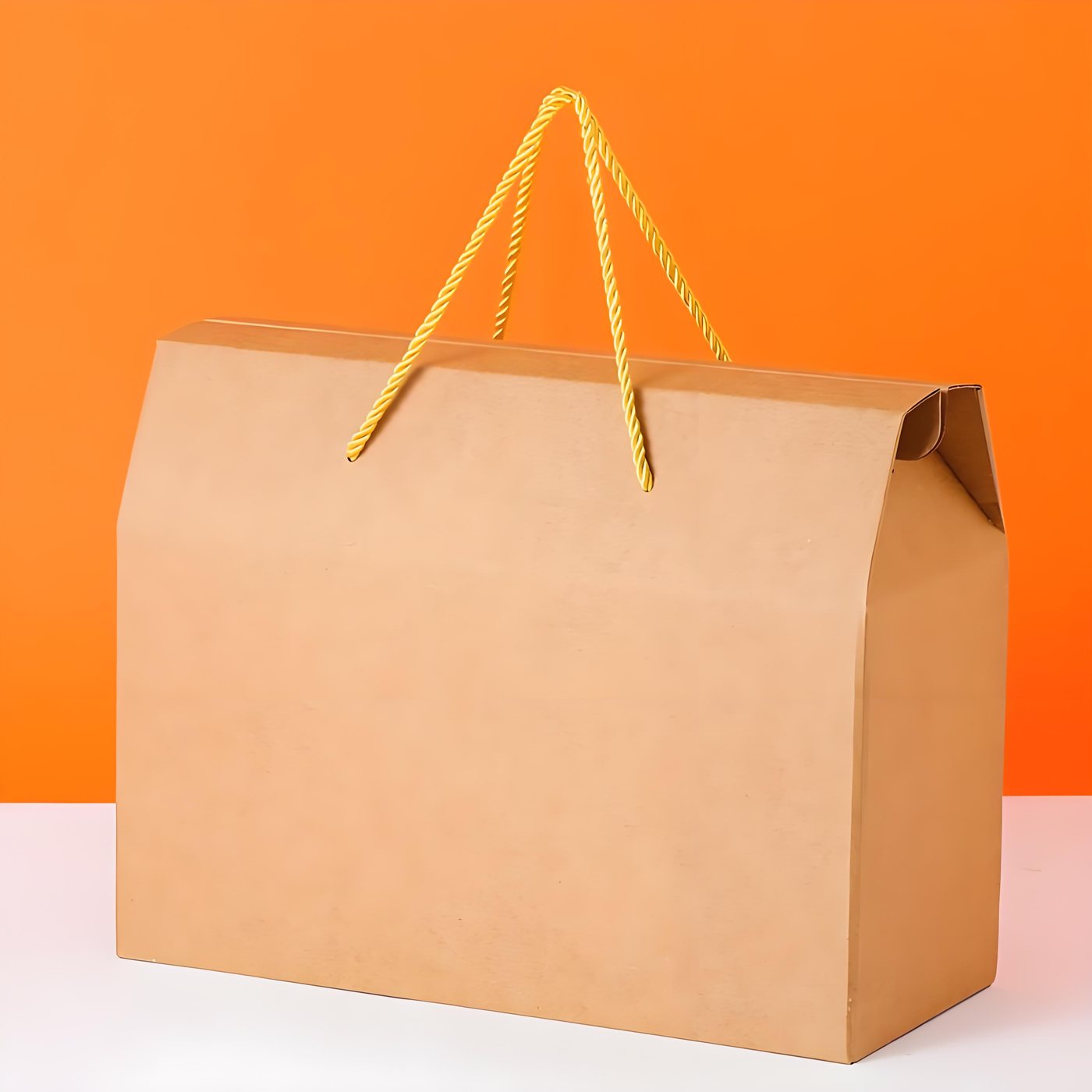
In an age where environmental consciousness is more critical than ever, businesses must reconsider their packaging strategies. Eco-friendly packaging solutions are not just a trend; they are becoming…
Introduction to Eco-Friendly Packaging Solutions
In an age where environmental consciousness is more critical than ever, businesses must reconsider their packaging strategies. Eco-friendly packaging solutions are not just a trend; they are becoming a crucial aspect of responsible business practices. These sustainable choices not
Introduction to Eco-Friendly Packaging Solutions
In an age where environmental consciousness is more critical than ever, businesses must reconsider their packaging strategies. Eco-friendly packaging solutions are not just a trend; they are becoming a crucial aspect of responsible business practices. These sustainable choices not only reduce environmental impact but also resonate with consumers increasingly seeking brands that prioritize sustainability. In this article, we delve into the myriad reasons why adopting eco-friendly packaging is essential for both businesses and the planet.
The Environmental Impact of Traditional Packaging
Traditional packaging materials, such as plastic and Styrofoam, contribute significantly to environmental degradation. These materials are not biodegradable, leading to:
Plastic Pollution
Plastic waste is one of the most pressing environmental issues today. It is estimated that over 300 million tons of plastic are produced each year, much of which ends up in landfills or the ocean. This pollution not only harms wildlife but also contaminates ecosystems.
Carbon Footprint
The production and transportation of traditional packaging materials contribute to greenhouse gas emissions. By relying on fossil fuels for manufacturing, companies inadvertently increase their carbon footprint, exacerbating climate change.
Resource Depletion
Traditional packaging often relies on non-renewable resources, leading to depletion of valuable materials and posing sustainability challenges for future generations.
Benefits of Eco-Friendly Packaging Solutions
Embracing sustainable packaging offers a multitude of benefits for both businesses and the environment.
Enhancing Brand Reputation
Consumers today are more informed and concerned about the environmental impact of their purchases. By utilizing eco-friendly packaging, brands can demonstrate their commitment to sustainability, enhancing their reputation and customer loyalty.
Cost Efficiency in the Long Run
While the initial investment in eco-friendly materials may be higher, the long-term savings associated with efficient resource use and waste reduction can be significant. Businesses can minimize disposal costs, reduce packaging waste, and even qualify for tax benefits in some regions.
Regulatory Compliance and Risk Management
With increasing regulations regarding waste management and sustainability, adopting eco-friendly packaging can help businesses stay ahead of compliance requirements. This proactive approach reduces the risk of potential fines and penalties.
Understanding Eco-Friendly Packaging Materials
Several types of materials make up the eco-friendly packaging landscape. Each offers unique benefits and challenges.
Biodegradable Materials
Biodegradable packaging breaks down naturally over time. Materials such as cornstarch, bamboo, and certain paper products can decompose without leaving harmful residues.
Advantages of Biodegradable Packaging
- Environmental benefits: Reduces landfill contributions.
- Consumer appeal: Attracts eco-conscious consumers.
Recyclable Materials
Recyclable packaging can be processed and reused multiple times. Materials such as glass, metal, and certain plastics are commonly recycled, helping to conserve resources.
Advantages of Recyclable Packaging
- Resource efficiency: Reduces the need for virgin materials.
- Market demand: Growing consumer preference for recyclable products.
Compostable Packaging
Compostable materials decompose into organic matter under specific conditions. This type of packaging can enrich soil, benefiting the environment.
Advantages of Compostable Packaging
- Soil enrichment: Adds nutrients back into the earth.
- Waste reduction: Reduces organic waste in landfills.
Innovative Eco-Friendly Packaging Designs
Innovation plays a vital role in the evolution of sustainable packaging solutions. Businesses are continually exploring new designs that minimize waste while maximizing functionality.
Minimalist Packaging
Minimalist designs reduce material usage without sacrificing protection or aesthetics. This approach not only lowers costs but also appeals to environmentally conscious consumers.
Edible Packaging
Edible packaging is an exciting innovation that eliminates waste altogether. Made from natural ingredients, these packages can be consumed alongside the product.
Benefits of Edible Packaging
- Zero waste: No disposal required.
- Unique selling point: Stands out in the market.
Reusable Packaging Solutions
Reusable packaging encourages consumers to return or refill containers, thus reducing single-use waste. Companies like Tupperware and certain beverage brands have successfully implemented this model.
Implementing Eco-Friendly Packaging in Your Business
Transitioning to eco-friendly packaging requires strategic planning and commitment.
Assess Your Current Packaging
The first step is to evaluate your existing packaging materials and processes. Identify areas where you can replace traditional materials with sustainable alternatives.
Research Suppliers of Eco-Friendly Materials
Finding reliable suppliers who offer eco-friendly packaging materials is crucial. Look for companies that prioritize sustainability and ethical sourcing.
Test and Gather Feedback
Before a full rollout, consider testing new packaging solutions with a select group of products. Gather customer feedback to measure acceptance and areas for improvement.
Educate Your Team and Customers
To ensure a smooth transition, educate your team about the benefits of eco-friendly packaging. Additionally, communicate the change to your customers, h…