
In today's competitive market, brands are constantly seeking innovative ways to stand out. One effective strategy is to embrace **eco-friendly packaging designs**. As consumers grow more…
Table of Contents Introduction to Eco-Friendly Packaging What Is Eco-Friendly Packaging? Benefits of Eco-Friendly Packaging for Brands Creative Eco-Friendly Packaging Designs Materials Used in Eco-Friendly Packaging Designing for Sustainability: Best Practices Case Studies of Successful Eco-Friendly Packaging The
What Is Eco-Friendly Packaging?
Benefits of Eco-Friendly Packaging for Brands
Creative Eco-Friendly Packaging Designs
Materials Used in Eco-Friendly Packaging
Designing for Sustainability: Best Practices
Case Studies of Successful Eco-Friendly Packaging
The Future of Eco-Friendly Packaging
Frequently Asked Questions
Conclusion
Introduction to Eco-Friendly Packaging
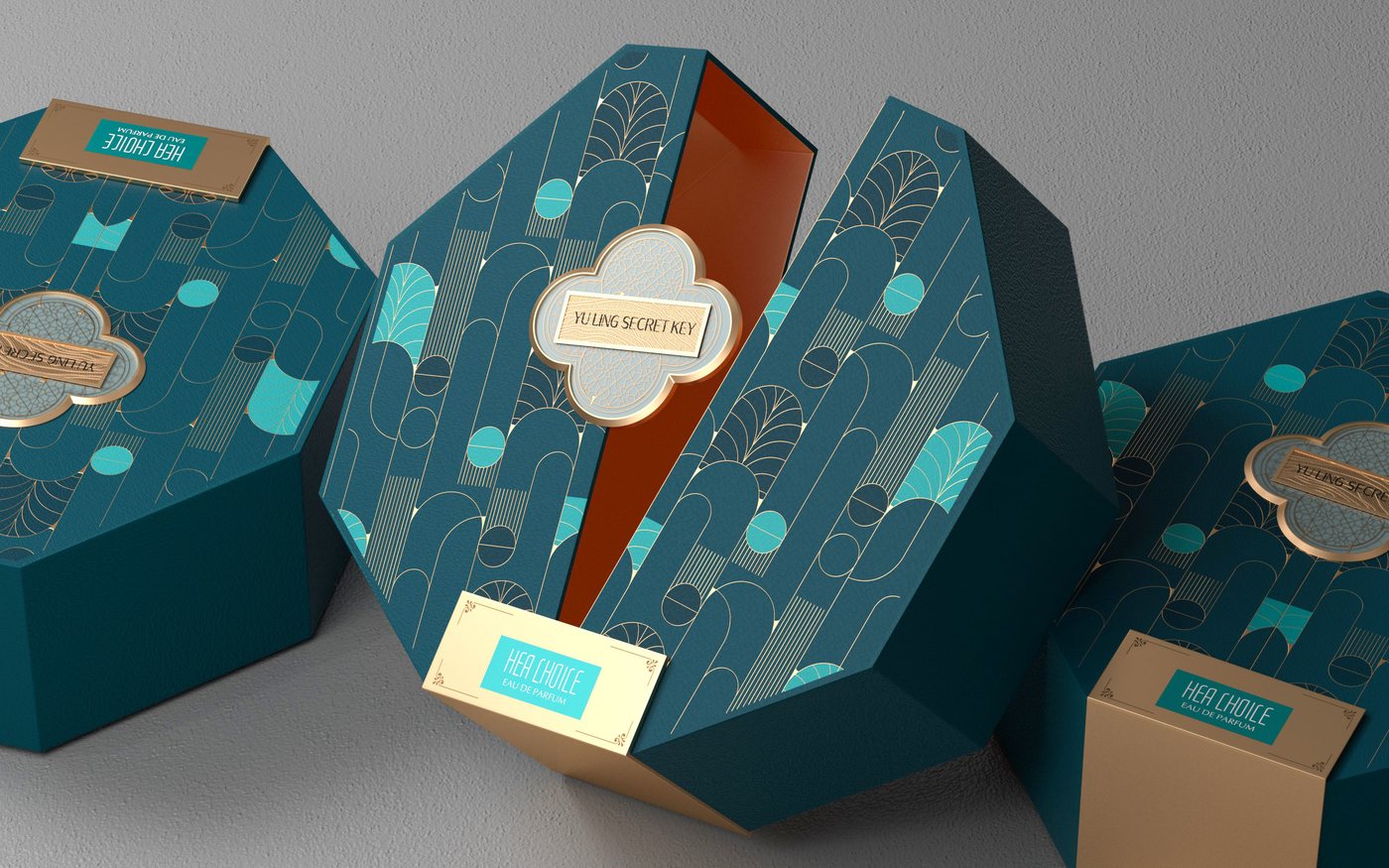
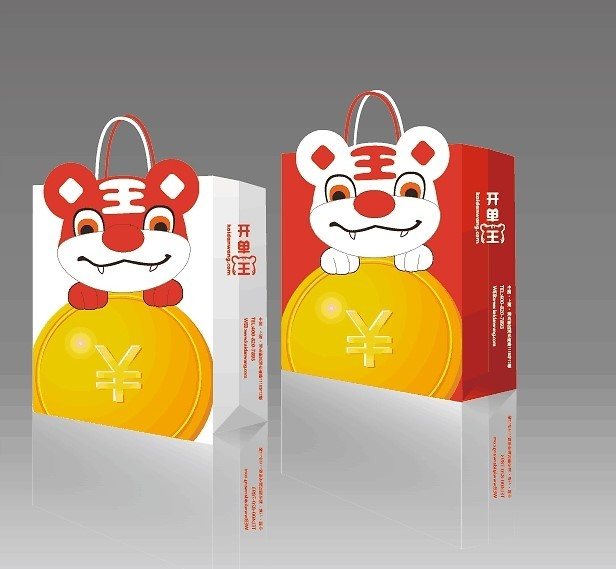
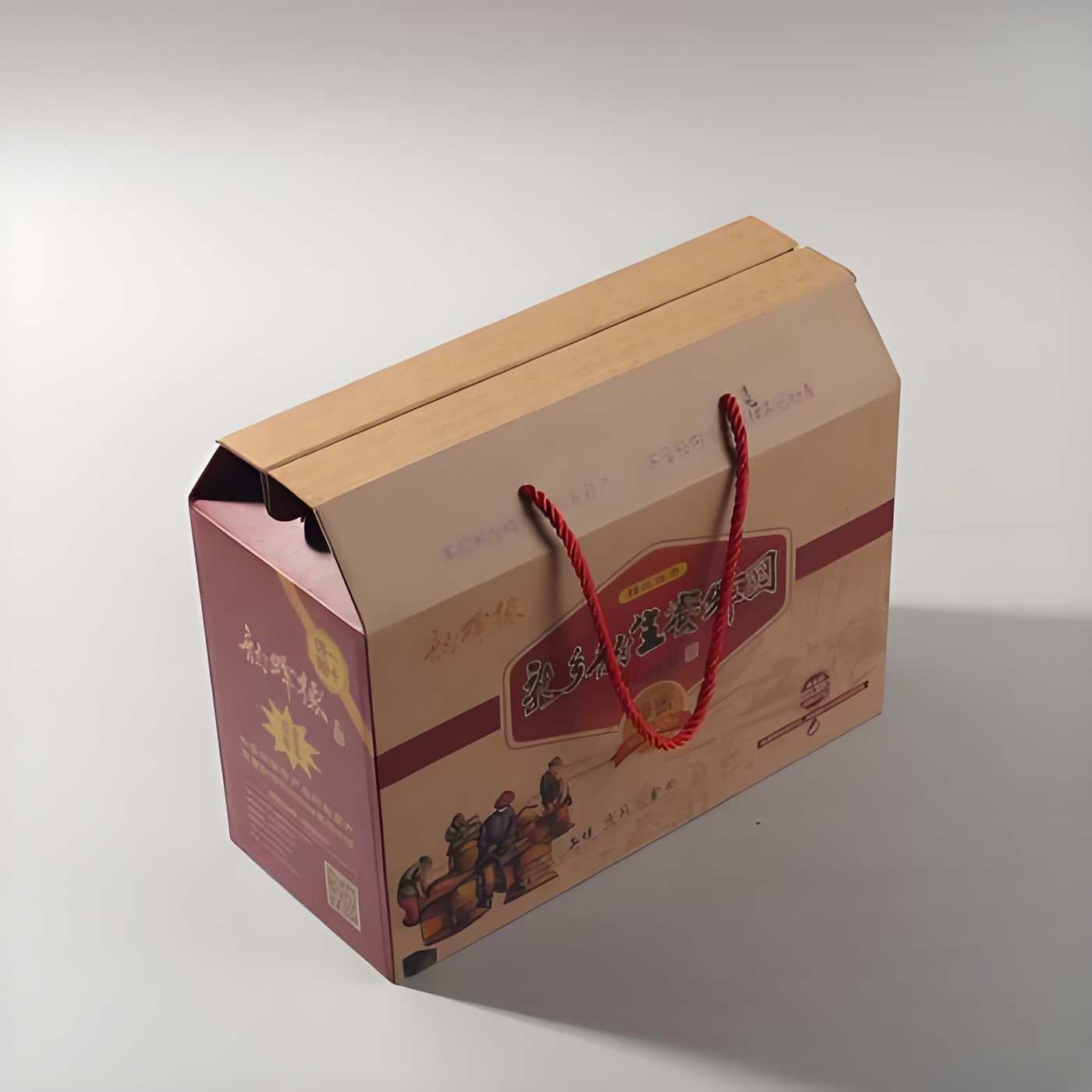
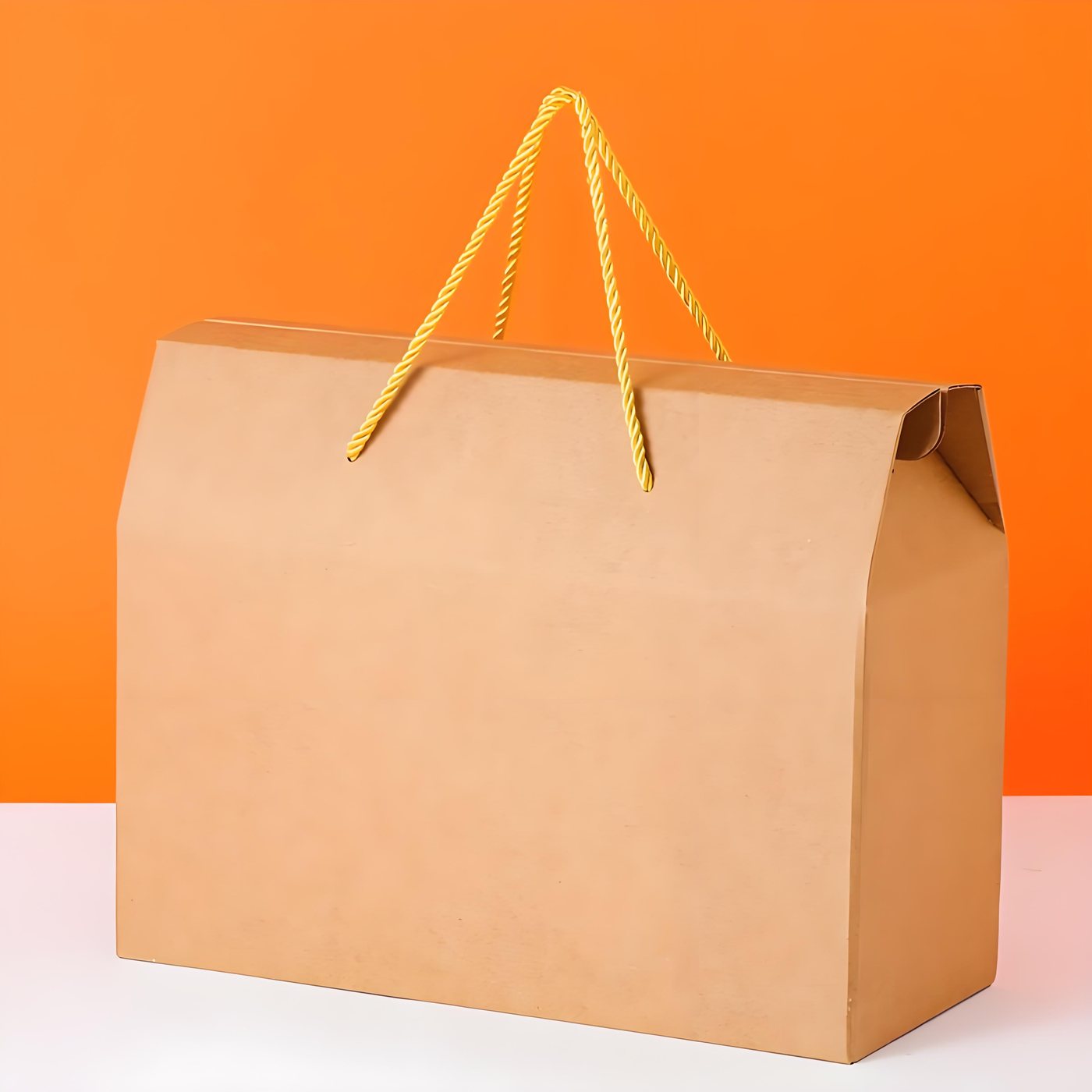
In today's competitive market, brands are constantly seeking innovative ways to stand out. One effective strategy is to embrace **eco-friendly packaging designs**. As consumers grow more environmentally conscious, businesses that prioritize sustainability can enhance their brand image while appealing to a broader audience. This article explores the transformative potential of creative eco-friendly packaging and how it can propel your brand to new heights.
What Is Eco-Friendly Packaging?
Eco-friendly packaging refers to materials and designs that minimize environmental impact. This encompasses biodegradable, recyclable, and reusable materials, as well as production processes that reduce waste and energy consumption. The goal is to create packaging solutions that are not only functional but also contribute to sustainability goals. By adopting eco-friendly practices, brands can demonstrate their commitment to the planet, fostering trust and loyalty among consumers.
Benefits of Eco-Friendly Packaging for Brands
Choosing eco-friendly packaging offers numerous benefits that extend beyond environmental impact. Here are some key advantages:
1. Enhanced Brand Image
Consumers increasingly favor brands that demonstrate social responsibility. By adopting eco-friendly packaging, you can position your brand as a leader in sustainability, attracting environmentally-conscious customers.
2. Increased Customer Loyalty
Customers are more likely to remain loyal to brands whose values align with their own. By prioritizing sustainable practices, you can foster a loyal customer base that advocates for your brand.
3. Competitive Advantage
In a saturated market, eco-friendly packaging can differentiate your brand from competitors. Highlighting your sustainable packaging can attract consumers looking for responsible options.
4. Cost Savings
Although the initial investment in eco-friendly materials may seem higher, the long-term savings from reduced waste disposal and potential tax incentives can outweigh these costs.
5. Compliance with Regulations
As governments worldwide implement stricter packaging regulations, adopting eco-friendly practices can ensure compliance and avoid potential fines or penalties.
Creative Eco-Friendly Packaging Designs
**Creativity** plays a crucial role in eco-friendly packaging. Unique designs can capture consumer attention while embodying sustainability. Here are some innovative concepts:
1. Minimalist Design
Minimalist packaging reduces material usage while maintaining elegance. Simple designs that use fewer resources appeal to consumers seeking simplicity and sustainability.
2. Interactive Packaging
Packaging that engages consumers—such as boxes that transform into reusable items—adds value and enhances the user experience, encouraging sustainable behaviors.
3. Nature-Inspired Designs
Utilizing natural colors, textures, and patterns can evoke a sense of connection to the environment. This approach resonates with consumers who appreciate organic aesthetics.
4. Multi-Functional Packaging
Designing packaging that serves multiple purposes—such as a box that becomes storage or a bag that can be reused—encourages consumers to keep and repurpose the packaging.
5. Personalized Packaging
Customized packaging that reflects the customer's personality can enhance the unboxing experience, further promoting brand loyalty and engagement.
Materials Used in Eco-Friendly Packaging
Selecting the right materials is essential for creating effective eco-friendly packaging. Here are common sustainable options:
1. Biodegradable Plastics
These materials break down naturally over time, reducing landfill waste. They offer a viable alternative to traditional plastics, especially for single-use items.
2. Recycled Paper and Cardboard
Using recycled materials helps minimize deforestation and energy consumption. Brands can effectively communicate their commitment to sustainability by utilizing these materials.
3. Plant-Based Inks
Traditional inks often contain harmful chemicals. Plant-based inks are safer for the environment and can provide vibrant colors for packaging designs.
4. Glass and Metal
These materials are highly recyclable and can be reused multiple times. They also offer premium aesthetics that can enhance brand perception.
5. Compostable Materials
Compostable packaging breaks down into nutrient-rich soil, providing an eco-friendly disposal option that supports a circular economy.
Designing for Sustainability: Best Practices
To create effective eco-friendly packaging, brands must adopt best practices throughout the design process:
1. Consider the Entire Lifecycle
From sourcing materials to disposal, consider the environmental impact of each stage. Aim for designs that minimize resource use and energy consumption.
2. Prioritize Functionality
Ensure that packaging is not only sustainable but also functional. It should protect the product, be easy to use, and facilitate transportation.
3. Engage in Consumer Educa…